You ever had a moment where you exposed the truth of a situation? Well in Realism they did just that but better. They used technology to fix their problems. It may have not been very effective but it was only the beginning of a new perspective. Realists bring into the light that not everything has a ‘happy ending’ and that not everything goes as planned. Reality was always left in the dark from the lies formed by society. Starting in the year 1880 to 1914, the Civil War had left a major impact on those who were in the trenches. No one from the Civil War made it out unscathed but the most common wound was mental. Their mental health was extremely altered and not in a good way, PTSD had taken over. Troops came back from the wars and people thought something was wrong with them. So, with the development of new technology, things had a bit of a turning point. Since this era is something that exposed the hidden truth, people became tremendously pessimistic and had always anticipated the worst. Shout-out to the Capricorns.
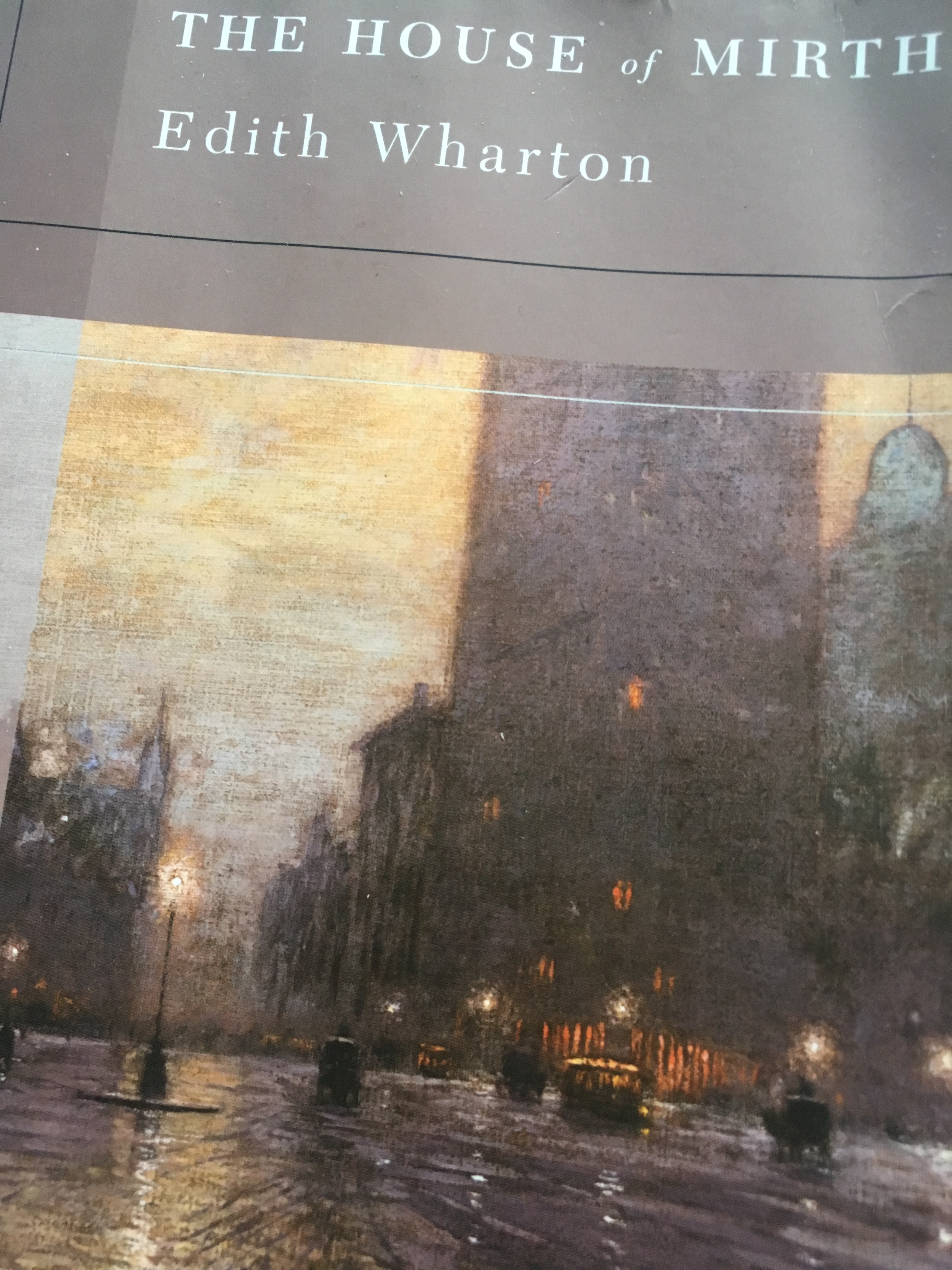
When they were discovering the truth some felt they should make their opinions and experiences known by writing. So here are some of those most informational pieces. Starting with “The Jungle” by Upton Sinclair, it was one of the most alarming books that had brought the truth to life. Just to sum it up the meat processing industry around 1906 was the most gruesome thing to come about. For example, if you lost your hand in a meat grinder it would have just been packaged up and sent out for the people to “enjoy”. No wonder vegetarians are a thing now. The next piece would be “The House of Mirth” by Edith Wharton. She brought to the light that everyone is as perfect as they seem, that not everyone is going to be without struggles. Also that not many people want to see how life truly is. And lastly the book “The Grapes of Wrath” by John Steinbeck. This story talked about the hard times of life and that not everything is meant to be sunshine and rainbows. It reveals that you shouldn’t take your life for granted and to enjoy the good times and things that you have. But novels weren’t the only thing shared at that time there were poems and short stories so to only name a few here are some of those informational pieces. Starting with “We Wear the Mask” by Paul Laurence Dunbar which tell us that we all wear some sort of mask and that only we know what is truly behind them. (I recommend reading). Another poem would be “Because I Could not Stop for Death” by Emily Dickinson. Within the poem she is meant to be a speaker from beyond the grave and how she talks about her journey of death simply waiting for her. There were also some writers that published short stories. That would probably be me because I couldn’t stay on one topic/ plot scheme long enough, you should hear how I tell stories. An example is “The Story of an Hour” by Kate Chopin, in the story the protagonist has a heart condition that could kill her if she gets overly startled. They have to tell her that her husband died in an accident without killing her in the process.
Never expecting for things to not work out, it was easier for the Realists to do so within this era. Because if you always expect the worst you are already prepared for when situations to go south. Ending on one last note, would you consider yourself more of a Romantic or a Realist? I would consider myself to be a Realist in most situations, if not all. But if you do consider yourself a Realist congrats because some don’t want to learn or hear the truth. So keep that in mind and be willing to fight for what you want to know.

